
KOKO Plastic Surgery · Rhinoplasty
Revision Rhinoplasty
Find the cause first, then rebuild your nose
Your implant shows through, your nose has turned crooked, or your tip has collapsed. Revision rhinoplasty is for when an earlier nose surgery did not turn out as you hoped, or caused functional problems.
Revision surgery is more demanding than a first operation. At KOKO Plastic Surgery, we first find out what happened in your previous surgery. We remove the cause, then reshape your nose.
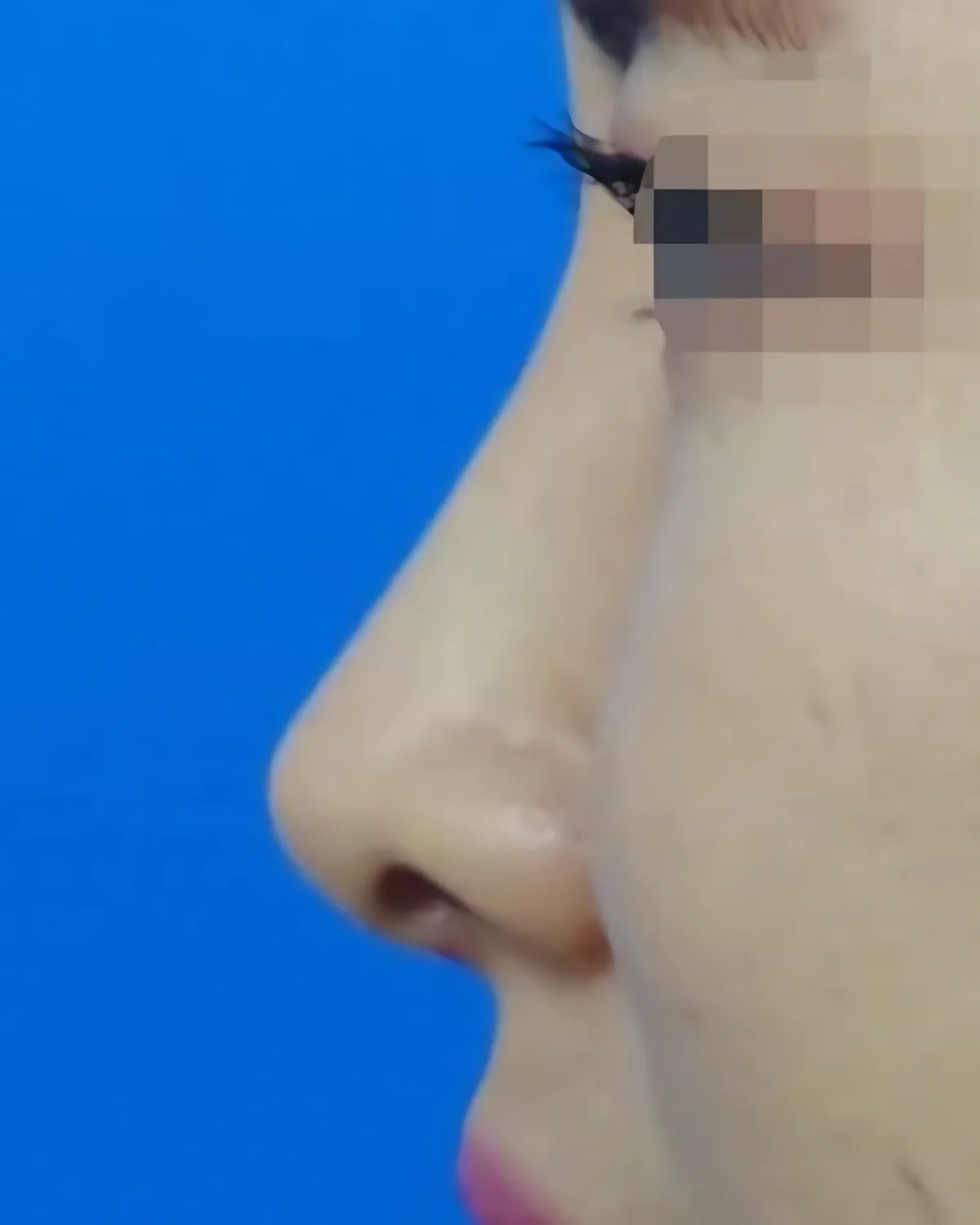
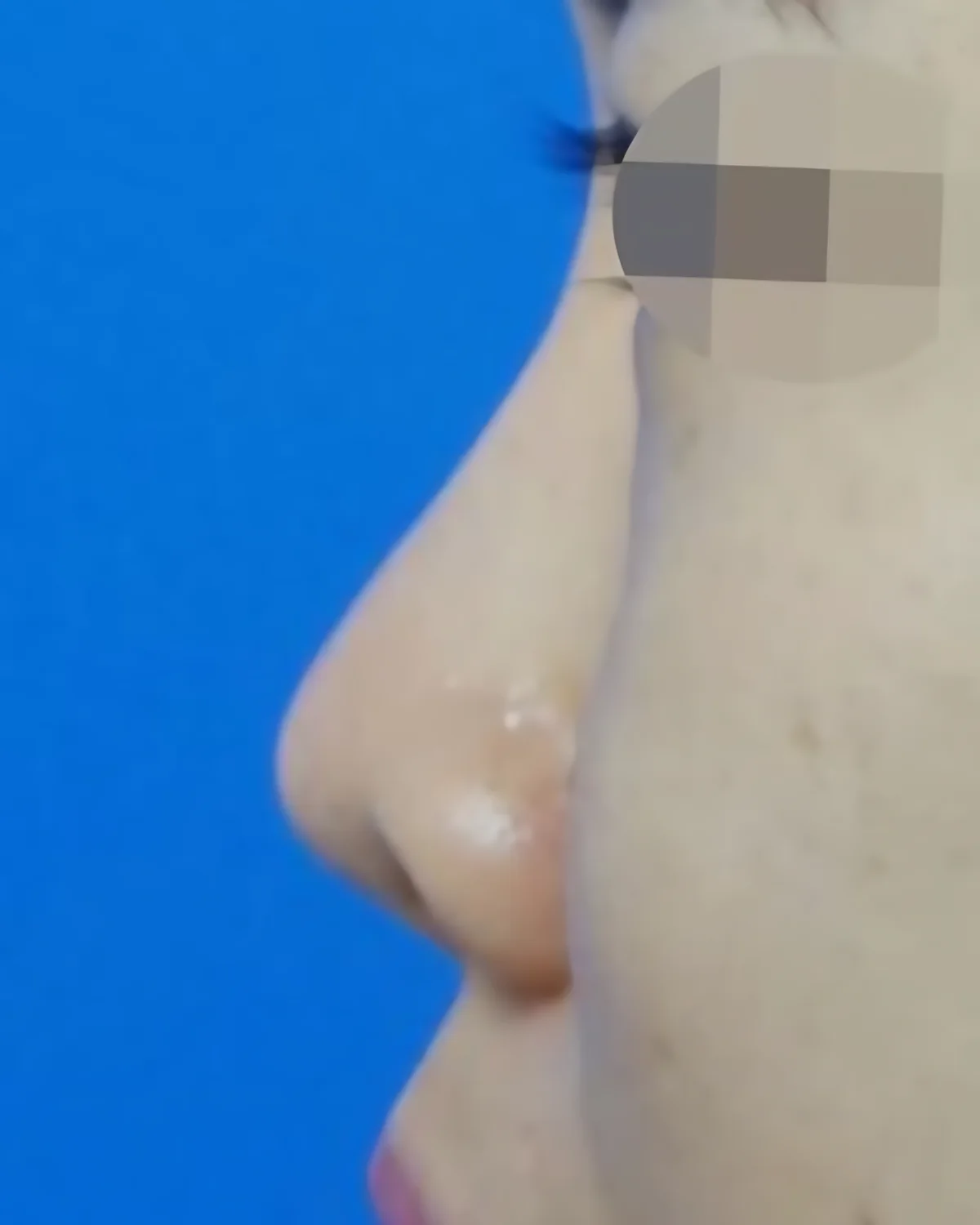
Revision rhinoplastySide · Photographed at our clinic
- Surgery time
- 2–3 hours
- Anesthesia
- Sedation
- Hospital stay
- Not needed
- Stitch removal
- After 4–6 days
- Recovery
- About 7 days
Who it is for
- The outline of your implant shows along the bridge, so it is obvious you have had surgery
- Your bridge is too narrow or too high
- Your tip has lost its shape
- Your tip has lost height
- Your nose became shorter after surgery
- Your tip has become pointed and the skin over it has thinned
- Your nose is crooked
- Your bridge or tip has turned red
- Your implant moves or shows through the skin
What is revision rhinoplasty?
Revision rhinoplasty is a second operation. It is done when an earlier nose surgery did not give you the nose you wanted, or when it caused functional problems.
Common reasons include an unexpected shape, a moving implant, an overly pointed tip, a collapsed nose, or inflammation.
Revision is more demanding than a first surgery, so we recommend consulting an experienced rhinoplasty specialist.
When you can have a revision
We recommend waiting at least 6 months after your previous surgery.
If the revision only needs to raise the bridge, it can sometimes be done within 3 months. In most cases, though, the tissues of the nose take about 6 months to settle. The right timing varies from person to person, so please talk to us first.
Risks and side effects
Results and recovery vary from person to person. The main risks and side effects are:
- Swelling and bruising after surgery
- Infection or inflammation
- Asymmetry, or a result that differs from what you pictured
- An implant shifting, showing through or becoming exposed (when an implant is used)
- Pain or a scar where rib cartilage was taken (when rib cartilage is used)
- Contracture (tissue hardens and the nose shrinks)
If anything concerns you, you can still reach us on WhatsApp after you fly home.
Revision by problem
We tailor the correction to what happened last time
Here are common problems, what causes them, and how we revise each one. In the diagrams, the pink line marks the problem area.
Revising a crooked nose
If the implant itself has bent, or a nose that was already crooked was not straightened during surgery, it will still look crooked afterward. A revision is needed in these cases.
When the implant has bent
If the implant bends or changes shape over time, we realign it in a revision surgery.
When your bridge was crooked to begin with
We remove the implant and straighten the crooked nose. We also treat a deviated septum at the same time.
Crooked Nose Correction
Revising a nose that looks obviously done
A nose stands out when it does not suit the balance of your whole face. If the area between your brows is built too high or the tip is too pointed, the eye goes straight to the nose. That often leaves people unhappy with the result.
When your bridge is too high
If your bridge is too high for your face and people can tell you have had surgery, we remove the implant. We replace it with one at a height that suits your face.
We balance the height of the bridge with the line of the tip to create a natural-looking nose.
When your tip is too high
We remove the implant in your tip and replace it with septal cartilage, ear cartilage, AlloDerm (acellular dermis) or similar materials.
We reshape the tip so it looks natural and suits your bridge. If needed, we revise the bridge as well.
Revising the tip
When your tip has collapsed
If your previous surgery did not build a structure to support the tip, the tip gradually collapses over time.
In this case, we rebuild the tip with septal cartilage, which is soft yet strong, or with artificial bone and similar materials.
Nose Tip SurgeryWhen your tip has become bulbous
The tip can end up round and large if the first surgery left too much fat under the skin, or used a wide cartilage graft.
We remove the fat under the skin, leaving only as much as the tip needs. We then graft a narrower piece of cartilage for a slimmer, natural tip.
Bulbous Nose Correction
Revising the implant and skin
When the implant is not secured
An implant should sit under the periosteum, the layer that covers the nasal bone. If it was placed just under the skin instead, nothing holds it and it moves.
In this case, we create a pocket under the periosteum and place the implant there again.
When the skin has thinned
An implant that is too thick, or that does not fit the contour of your nasal bone, can thin the skin over it. The implant may then show through, or the bridge may turn red. If you notice redness, it is important to see a specialist and get treatment early.
If the skin has thinned, we readjust the length and height of the implant. We reinforce the tip with ear cartilage, AlloDerm (acellular dermis) or similar materials.
Revising the nostrils
When your nostrils are distorted
The tip and the sides of the nostrils sink inward, so the nostril openings look pinched shut. This happens when the alar cartilage has been badly damaged or cut.
We correct the distorted nostrils with surgery that reshapes the alar cartilage.
When your nostrils are uneven
This happens when nostrils that were uneven before surgery were not corrected, or when surgery upset the balance between the septal and alar cartilage.
We even out the difference with surgery that reshapes the alar cartilage.
Revising a remaining dorsal hump
When the hump has returned, or too much was removed
If nose surgery is done without correcting a dorsal hump, the hump may remain or come back. If too much is shaved off instead, it can leave a dip or deformity.
If the hump has come back, we shave down the raised part. If too much was removed, we build the area back up with cartilage.
Dorsal Hump Reduction
Revision for inflammation
Inflammation in the nose needs prompt treatment.
When inflammation develops after surgery
Inflammation after nose surgery is rare. It can happen, though, if the implant does not suit your body or an infection develops for another reason. Inflammation from a hematoma (collected blood) that lingers after surgery is a particular concern. It can cause pain, pus inside the nose and bleeding. See a specialist early, as a revision will be needed.
We first treat the inflammation, then remove the implant. We rebuild the nose with your own rib cartilage or septal cartilage instead. Because these come from your own body, rejection is less likely.
Contracted nose
A contracted nose is one of the more serious complications of rhinoplasty, and it is relatively difficult to treat.
It happens when inflammation after nose surgery is left untreated in the early stages, or after repeated surgeries. Scar tissue forms inside the nose, hardens and shrinks. The tip may turn up or the nose may get shorter, or the implant may be squeezed and the nose distorted.
Rhinoplasty with Rib Cartilage
WHY KOKO
Why patients choose KOKO for Revision Rhinoplasty
- 01
Diagnosis tailored to you
Through one-on-one consultation and accurate diagnosis, we aim for a result you are happy with.
- 02
We find the cause, then correct it
In revision rhinoplasty, analyzing the previous surgery matters more than anything. Drawing on many years of experience, we identify what caused the problem and treat it accordingly.
- 03
A clinic built around the nose
KOKO Plastic Surgery opened in 2001 as the first clinic in Apgujeong specializing in nose surgery. We have performed revision rhinoplasty for 25 years.
- 04
Dr. Cho, from consultation to surgery
Dr. Cho Bae-jung, our representative director and a board-certified plastic surgeon, handles your consultation and performs your surgery himself.
Cases
Revision Rhinoplasty before and after
Eyes are blurred for privacy. Tap a photo to enlarge it, then slide to compare before and after.
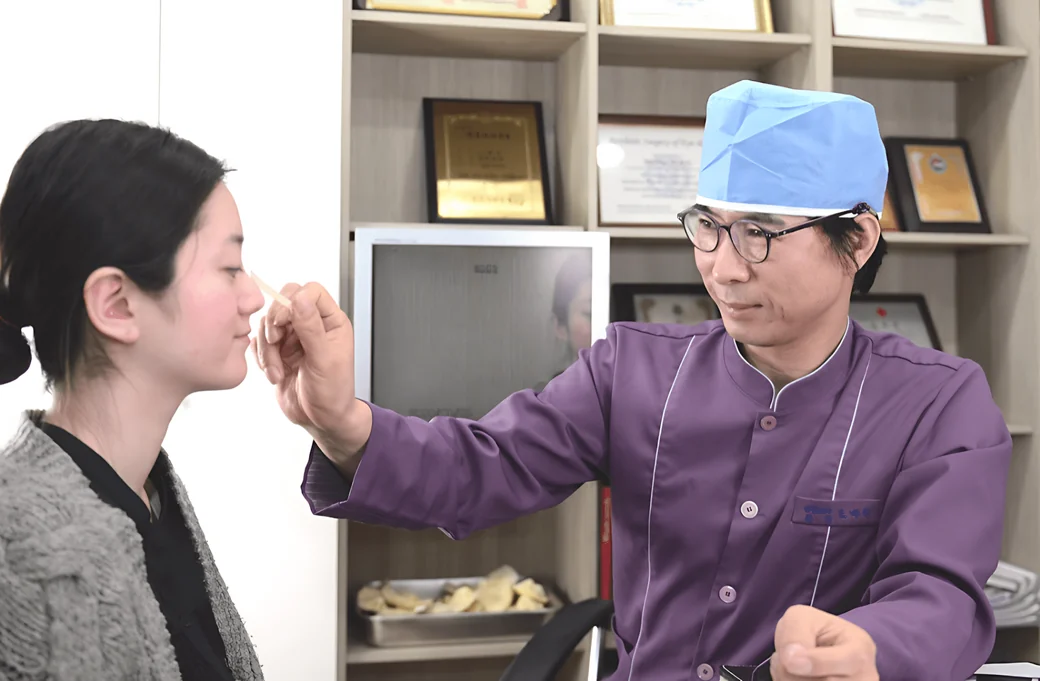
Our doctor’s promise
We choose your materials before surgery and explain them
At your consultation, Dr. Cho chooses the materials based on your nose and the shape you want, and explains why. If something unexpected is found during surgery, he tells you about it himself afterward.
We never use a material we have not proposed to you without your consent.
After surgery, we walk you through each step, showing you video and photos taken during the operation.
- Opened the first nose surgery clinic in Apgujeong
- Full member of the Korean Society for Aesthetic Plastic Surgery, the International Society of Aesthetic Plastic Surgery, the Korean Society of Aesthetic Rhinoplasty and others
How long to stay
For revision rhinoplasty, plan to stay about a week
Stitches come out 4–6 days after surgery, and you can fly home once they are out. The technique depends on your previous surgery, so we plan your schedule together at your consultation.
-
Day 1
Visit and consultation
An exam with Dr. Cho and a CT scan. We check your previous surgery and decide on the technique and materials. A medical interpreter joins you.
-
Surgery day
Surgery
2–3 hours under sedation. No hospital stay.
-
Following days
Follow-up checks
Wound care and swelling checks. You come in from where you are staying.
-
Days 4–6
Stitch removal
We remove the stitches and check your splint. Recovery takes about 7 days.
-
Flying home
Surgery certificate
We prepare the documents you need to leave Korea. You can still reach us on WhatsApp after you fly home.
- Medical interpreterA professional medical interpreter joins your consultation and surgery
- Airport transferOne-way or round-trip, depending on your surgery fee
- AccommodationA guesthouse is provided. You can switch to a hotel
- Service details
FAQ
Common questions about Revision Rhinoplasty
-
Yes, we also perform revisions for people who had their surgery elsewhere. When you message us on WhatsApp (+82 10-9608-0042), tell us when your previous surgery was and, as far as you know, which materials were used.
-
As a rule, we recommend waiting at least 6 months. If the revision only needs to raise the bridge, it can sometimes be done within 3 months. We decide after examining your nose.
-
Besides replacing the implant, we use septal cartilage, ear cartilage, your own rib cartilage, AlloDerm (acellular dermis) and other materials to suit your nose. Dr. Cho explains the materials at your consultation. We never use a material without explaining it to you and getting your consent.
-
A contracted nose is a demanding revision. Even so, we do perform surgery that rebuilds its length and shape with your own rib cartilage and other materials. See our Rhinoplasty with Rib Cartilage page for details.
-
It varies widely with your previous surgery, the materials to be removed and the new materials used. Send three photos of your face — front, side and 45° — on WhatsApp (+82 10-9608-0042), along with your surgical history. We will give you an estimate, and we can also go over it in an online consultation.
-
Nose surgery performed by Dr. Cho is covered by our Rhinoplasty Revision Policy. If a revision (touch-up surgery) is needed within 1 year of surgery, we perform one revision at no surgical fee. The sedation fee is charged separately.
How to start
Getting started is easy.
Book a consultation online, or send us your questions on WhatsApp. We will reply in English.
- Book online
Choose a date and time that suits you for your consultation.
- Ask on WhatsApp
A short question is enough to start.
- Photos are optional
Front, side and 45° photos help us give you a more specific cost estimate.

Scan with your phone to open a WhatsApp chat with us (+82 10-9608-0042).