
KOKO BLOG
The End of Failed Rhinoplasty, Beauty Rediscovered: A Complete Guide to Revision Rhinoplasty
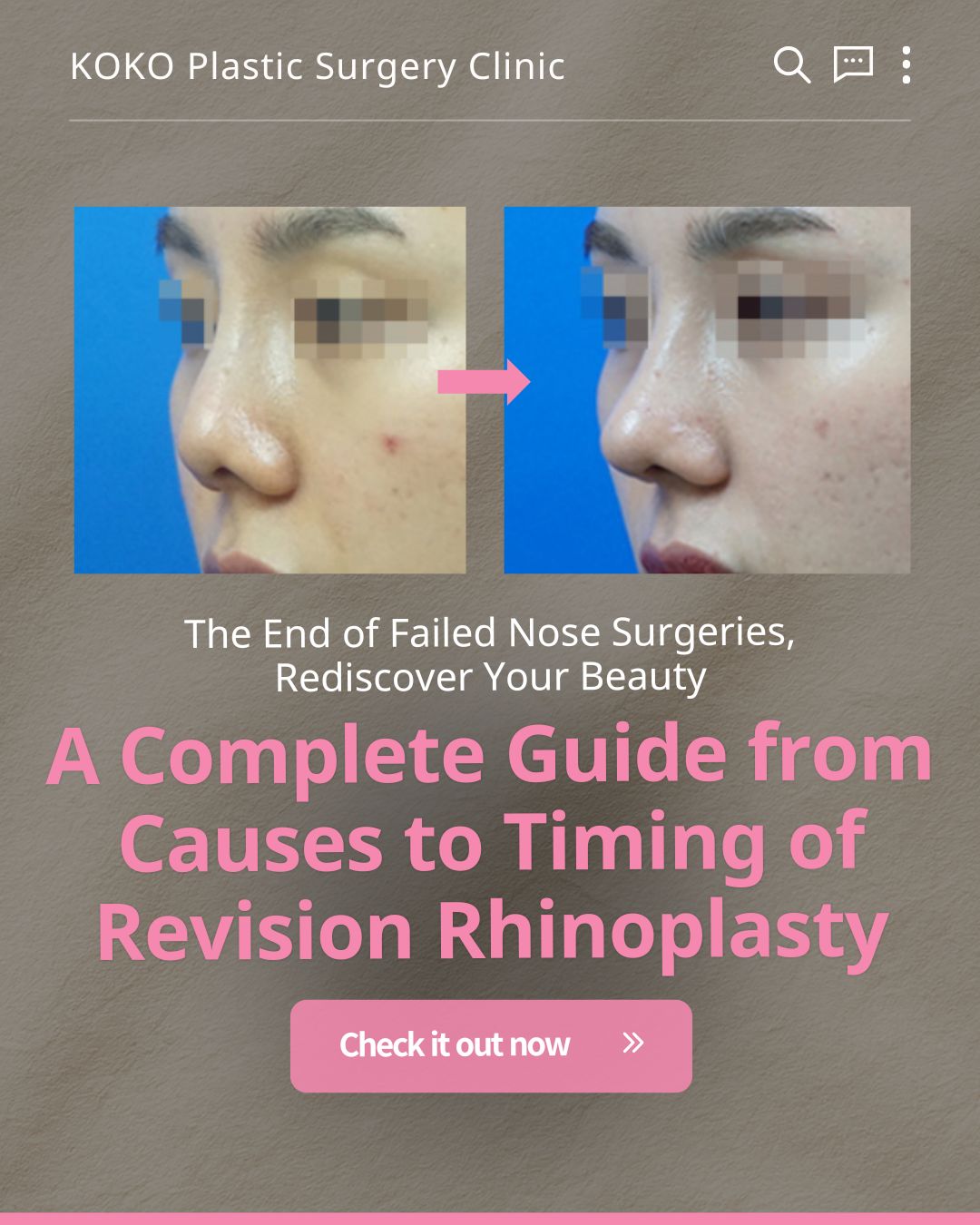
Your Final Nose Job: Safe Revision Rhinoplasty Solutions from a Korean Rhinoplasty Master
KOKO Plastic Surgery,
the first cosmetic surgery clinic specializing in nasal
procedures in Apgujeong, has opened its doors.
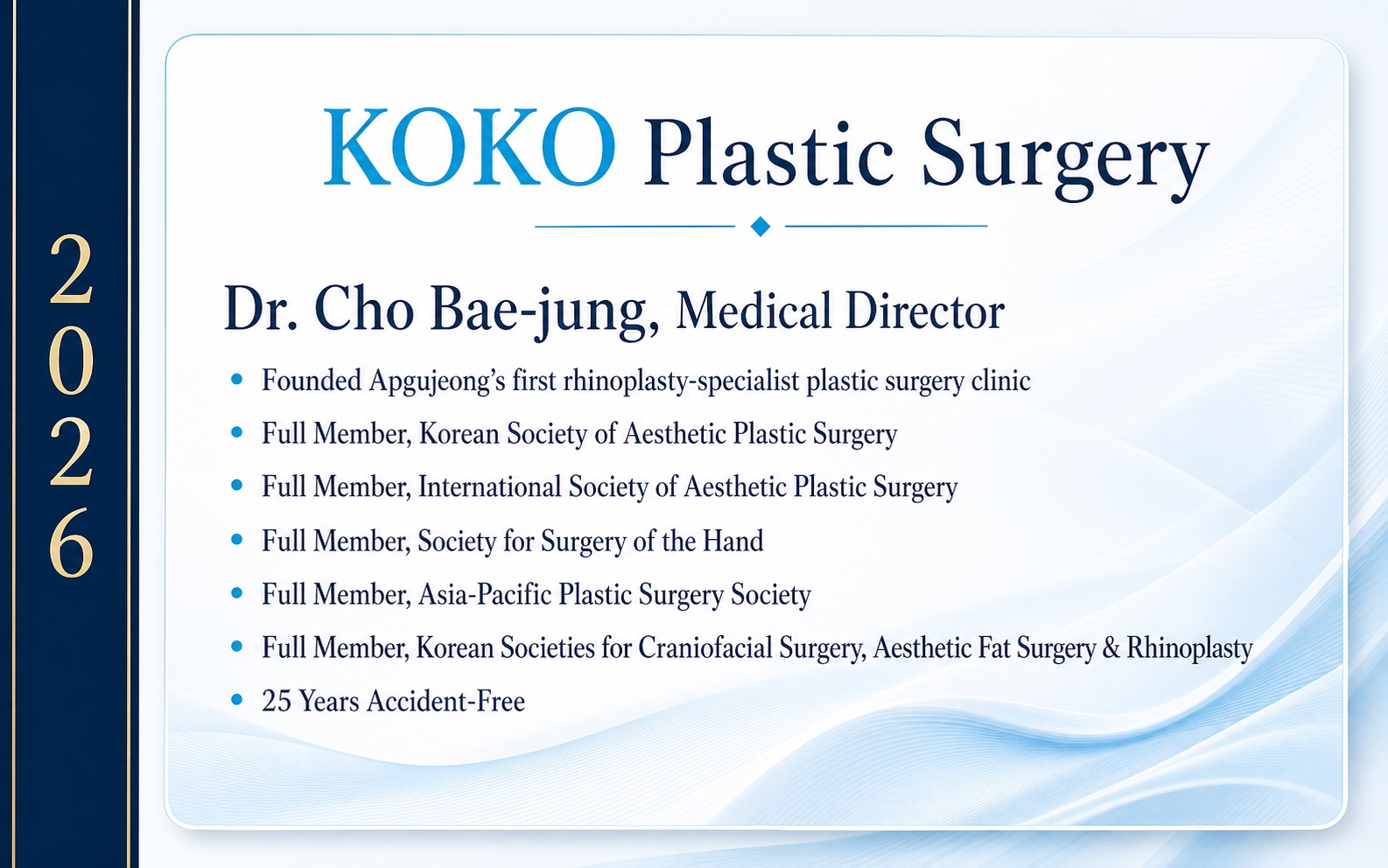
With 25years of surgical experience and expertise,
I am Dr. Jo Bae-jung from KOKO Plastic Surgery,
providing effective face slimming injection treatments.
9 Key Symptoms and Causes Requiring Revision Rhinoplasty
Implant and Positioning Issues (Visibility, Shifting, Deviation)
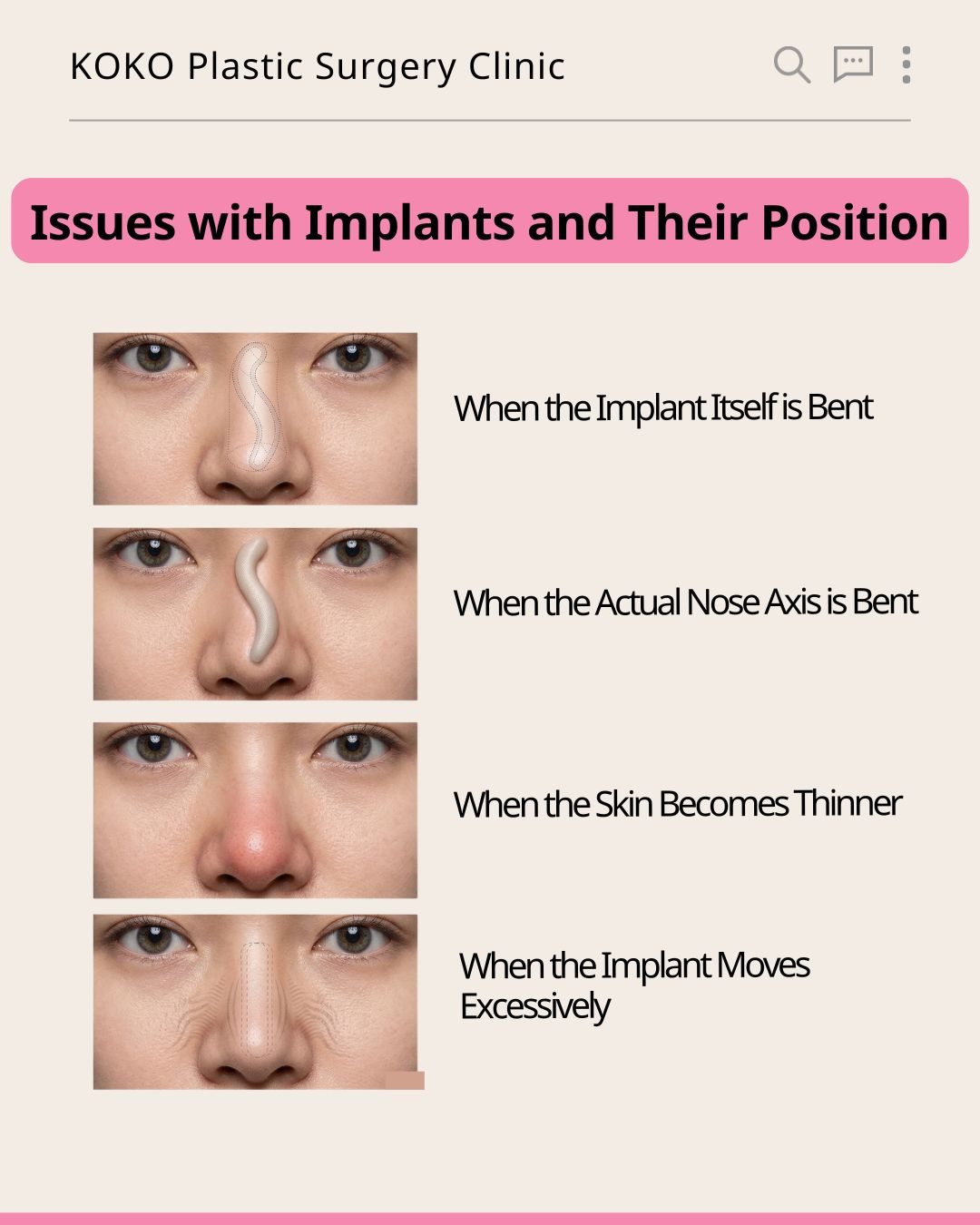
When an implant becomes visible or the nasal bridge looks deviated after a nose job, it is usually because the implant was inserted directly under the skin rather than beneath the periosteum. If the implant moves when touched, revision surgery is absolutely necessary. At our clinic, we secure a new space beneath the periosteum to firmly reposition the implant, eliminating any artificial look and creating a natural bridge.
Structural Deformation and Severe Side Effects (Contracture, Drooping Tip, Asymmetry)
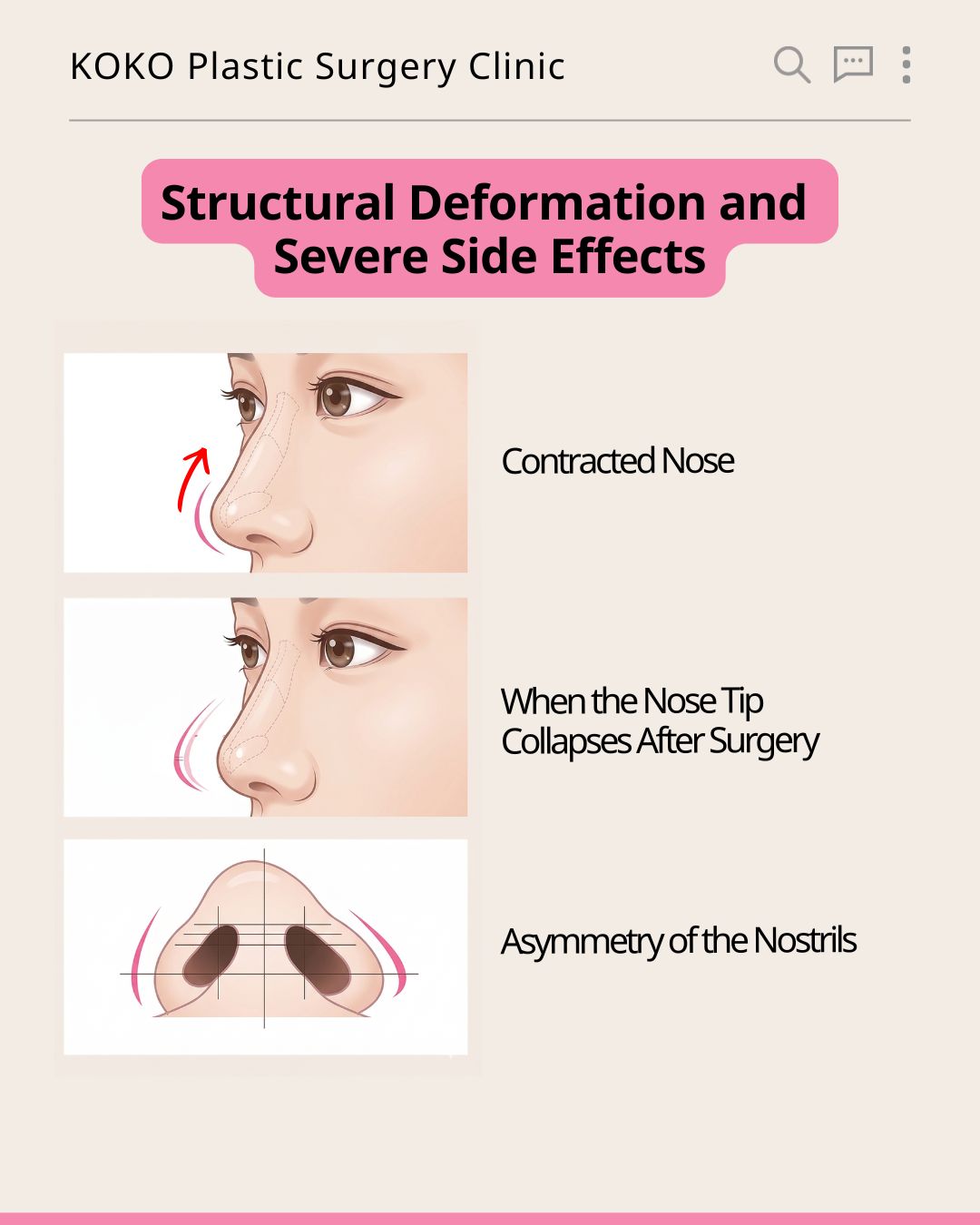
Scar tissue or inflammation from repeated surgeries causes “contracture,” making the nose shorter and upturned. Weakened support structures can also lead to a drooping tip or asymmetrical nostrils. Such cases must be approached as advanced “reconstructive surgery” rather than simple cosmetic enhancements, requiring a delicate process to repair damaged tissues and rebuild the collapsed septum.
The Optimal Timing for Successful Korean Rhinoplasty
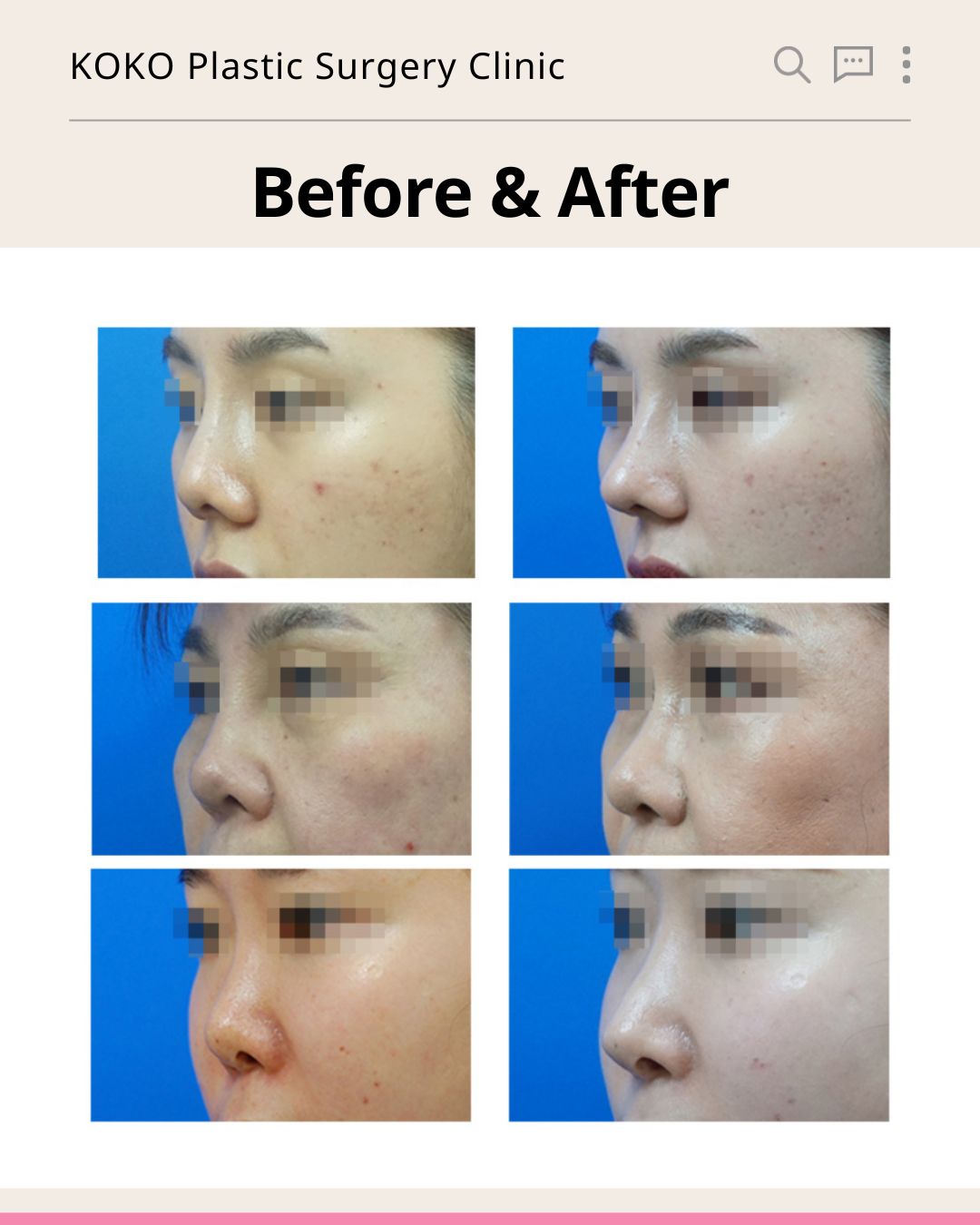
Golden Time: Why Wait at Least 6 Months?
Generally, we recommend waiting at least 6 months after the initial surgery before attempting a revision rhinoplasty. This is the time needed for the scar tissue to soften and internal tissues to fully stabilize. Rushing into revision too early increases the risk of worsening the scar tissue or causing additional side effects. However, in cases of severe inflammation, immediate treatment and implant removal must take priority regardless of the timeframe.
Koko Plastic Surgery’s Unique Korean Plastic Surgery Differentiators: 25Years of Trust
1:1 Precision Diagnosis and Custom Design by Dr. Cho Bae-jung
In Apgujeong, the mecca of Korean plastic surgery, Chief Surgeon Dr. Cho Bae-jung has dedicated 21 years solely to rhinoplasty. He personally oversees everything from consultation to surgery. By thoroughly analyzing the anatomical causes of previous failures, he provides custom designs that solve functional problems alongside aesthetic improvements.
Healthy Reconstruction System Using Autologous Tissue
To eliminate the fear of side effects, Koko Plastic Surgery prioritizes using the patient’s own biological tissues, such as autologous rib, ear, and septal cartilage. This minimizes foreign body reactions and ensures strong, enduring support over time.
Revision Rhinoplasty FAQ & Precautions
How long is the recovery period after revision surgery?
Typically, stitches are removed 7 days post-surgery, allowing a return to daily life. Major swelling subsides within 1-2 weeks, but it takes over 6 months for internal tissues to fully settle, making consistent aftercare crucial.
[WhatsApp] +82 10-9608-0042
👃 See More Koko Before & After Photos
/language/en/
<Official SNS>
[WhatsApp] +82 10-9608-0042
[INSTAGRAM] @kokopsen
To see more posts, Please click this link!
/koko-blog-en/
This article is general information. Whether surgery suits you, the method, recovery and risks all vary from person to person. Please make any decision after an examination by a doctor.
 Full Incision vs. Non-Incision Double Eyelid Surgery in Korea: How to Choose Based on Eyelid Condition, Downtime, and Longevity
  Combining Nose and Eye Surgery: A Physician's Guide to Sequencing, Benefits, Risks, and Recovery